
A look at the key developments from midday on September 30th

7:00(UTC+8)-12:00(UTC+8) Keywords: DePIN, QMMM, DoubleZero, Jito Labs
1. Massachusetts, USA will hold a hearing to review the Bitcoin Reserve Act;
2. The SEC of the United States determined that the DePIN token "essentially" does not fall within its jurisdiction;
3. The SEC suspends trading of Bitcoin and Ethereum treasury company QMMM stocks;
4. Core Scientific is scheduled to hold a shareholder vote on the merger case with CoreWeave on October 30;
5. The New York Stock Exchange meets with the SEC's cryptocurrency special working group to discuss tokenized stocks;
6. Burwick Law firm requests the dismissal of the lawsuit against Jito Labs in the pump.fun case;
7. Data: Since August, 94% of the funds used to purchase Bitcoin by Strategy have come from diluting MSTR stocks;
8. The SEC issues a letter of no enforcement action to DoubleZero, confirming that its 2Z token does not need to be registered as equity securities.
Disclaimer: The content of this article solely reflects the author's opinion and does not represent the platform in any capacity. This article is not intended to serve as a reference for making investment decisions.
You may also like
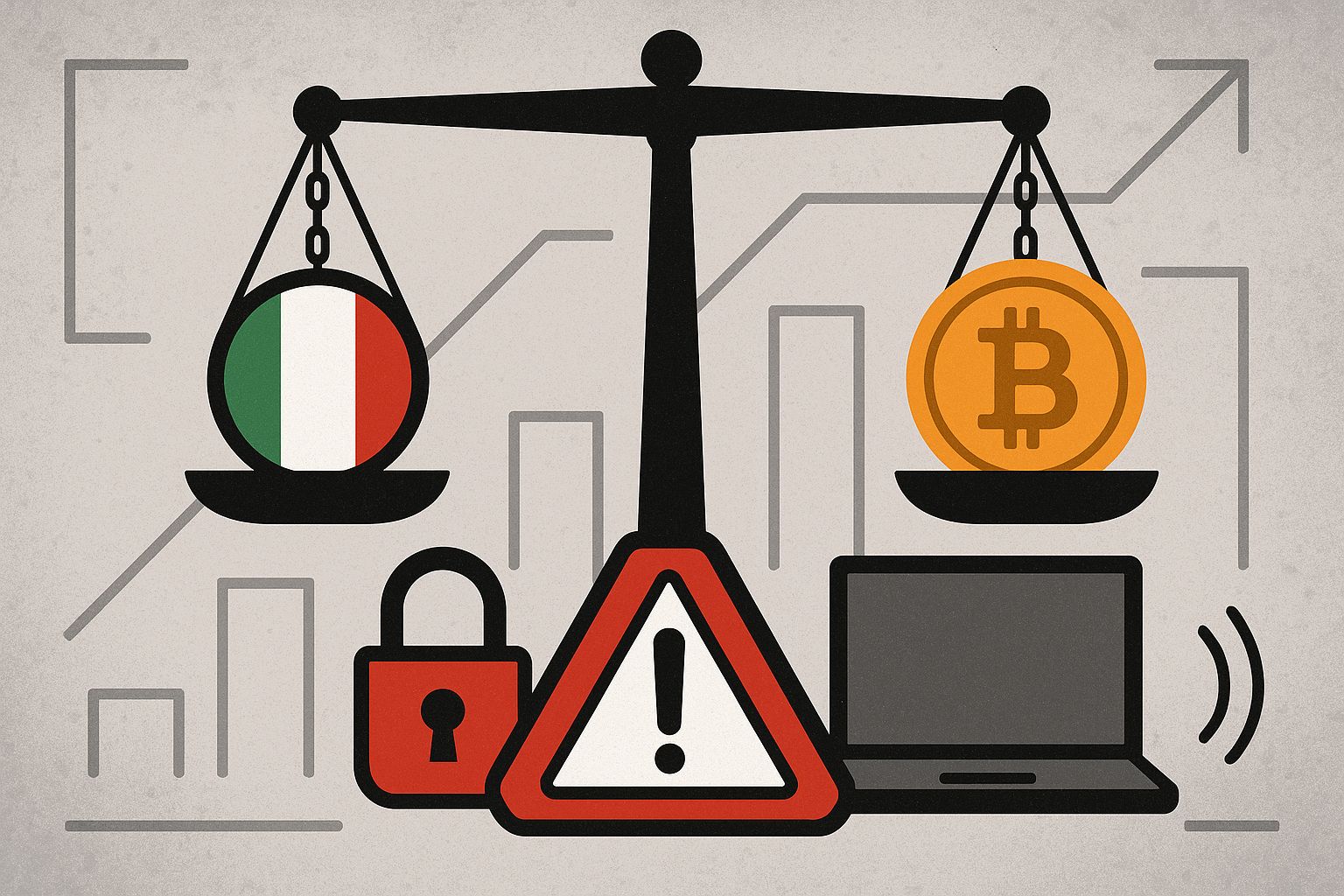
Italy orders non-compliant VASPs to exit as MiCAR rules kick in
Local Leadership and the Drive for Technological Advancement: How Minneapolis is Building Economic Strength
- Minneapolis integrates AI and centralized IT systems to boost municipal efficiency and tech-driven governance. - The city's medical tech sector leads with 16% U.S. talent share and 16 expansion projects in 2024. - Workforce shortages (59% hiring challenges) and rising costs hinder scalability despite innovation gains. - Investors face opportunities in medtech and AI tools but lack transparent metrics for evaluating tech ROI. - Minneapolis highlights the need for balancing tech innovation with accountabil

The Impact of a 30% Increase in ICP Token Value on Investments in Blockchain Infrastructure
- ICP's 30% price surge to $4.71 in November 2025 stems from ICP 2.0 upgrades (Caffeine, Internet Identity 2.0) and institutional partnerships with Microsoft Azure and Google Cloud. - This growth challenges AWS/Azure dominance, with ICP's Fission upgrade enabling scalable decentralized storage and attracting enterprises seeking alternatives to centralized cloud providers. - However, regulatory uncertainty and market volatility (e.g., 91% drop in token transfers during dips) raise questions about long-term

The Economic Impact of Incorporating AI in Sectors Driven by Data
- Global AI infrastructure investments by tech giants like Alphabet and Microsoft are projected to reach $315B in 2025, generating $15T in economic value by 2030 through automation and analytics. - The U.S. leads with $470B in AI infrastructure funding (2013-2024), driven by cloud expansion expected to hit $3.4T by 2040, creating fragmented markets for consolidation. - Data-centric ecosystems (e.g., JHU, ICP Caffeine AI) enable pharmaceuticals and finance firms to build competitive barriers via proprietary

Trending news
MoreCrypto prices
More





