
Nasdaq Demands Shareholder Vote in Crypto Treasury Races

- Nasdaq Requires Shareholder Approval for Cryptocurrency Treasuries
- Companies have already announced plans for $132 billion in tokens
- New rules impact Bitcoin, Ethereum, Solana, and XRP
Nasdaq introduced a requirement that could change the pace of the corporate race for cryptocurrency treasuries. The exchange announced that listed companies will need formal shareholder approval before issuing shares to finance the purchase of digital tokens. The measure directly affects the plans of approximately 184 companies that have already announced their intention to raise more than US$132 billion to acquire cryptocurrencies such as Bitcoin, Ethereum, Solana, and XRP.
According to Nasdaq, the decision expands the scope of Rule 5635, which already required voting in cases of changes of control or private issuances above the 20% limit. The exchange also highlighted that its oversight arm will be responsible for monitoring compliance with internal regulations and the SEC .
O anúncio pressured crypto treasury stocks last Thursday, although some reversed premarket losses. Strategy, the largest public Bitcoin holder, fell but recovered 3% before the opening bell. The move highlights how voting requirements can impact the timelines and pricing of token-related offerings.
Even with new procedural barriers, interest in direct exposure to digital assets remains high. American Bitcoin, a mining and treasury company backed by the Trump family, debuted on the Nasdaq through a merger and closed its first day of trading up 16,5%, trading at $8,04.
The crypto treasury sector has been diversifying beyond Bitcoin. Ethereum-based structures have gained traction, with SharpLink accumulating over 200.000 ETH as part of its reserve strategy. Solana has also attracted companies like Upexi and DeFi Development Corp., while XRP-focused initiatives like VivoPower have emerged with fundraising and staking programs.
With this rule, Nasdaq does not prohibit companies from establishing cryptocurrency treasuries, but it does require shareholder approval for many transactions. This makes the process more time-consuming, requiring general meetings, proxy calendars, and compliance reviews, which could reshape the pace of the capital market token rush.
Disclaimer: The content of this article solely reflects the author's opinion and does not represent the platform in any capacity. This article is not intended to serve as a reference for making investment decisions.
You may also like
COC the Game Changer: When Everything in GameFi Becomes "Verifiable", the Era of P2E 3.0 Begins
The article analyzes the development of the GameFi sector from Axie Infinity to Telegram games, pointing out that Play to Earn 1.0 failed due to the collapse of its economic model and trust issues, while Play for Airdrop was short-lived because it could not retain users. COC Game has introduced the VWA mechanism, which verifies key data on-chain in an attempt to address trust issues and build a sustainable economic model. Summary generated by Mars AI. This summary was generated by the Mars AI model, and its accuracy and completeness are still being iteratively updated.

BTC Volatility Weekly Review (November 17 - December 1)
Key metrics (from 4:00 PM HKT on November 17 to 4:00 PM HKT on December 1): BTC/USD: -9.6% (...

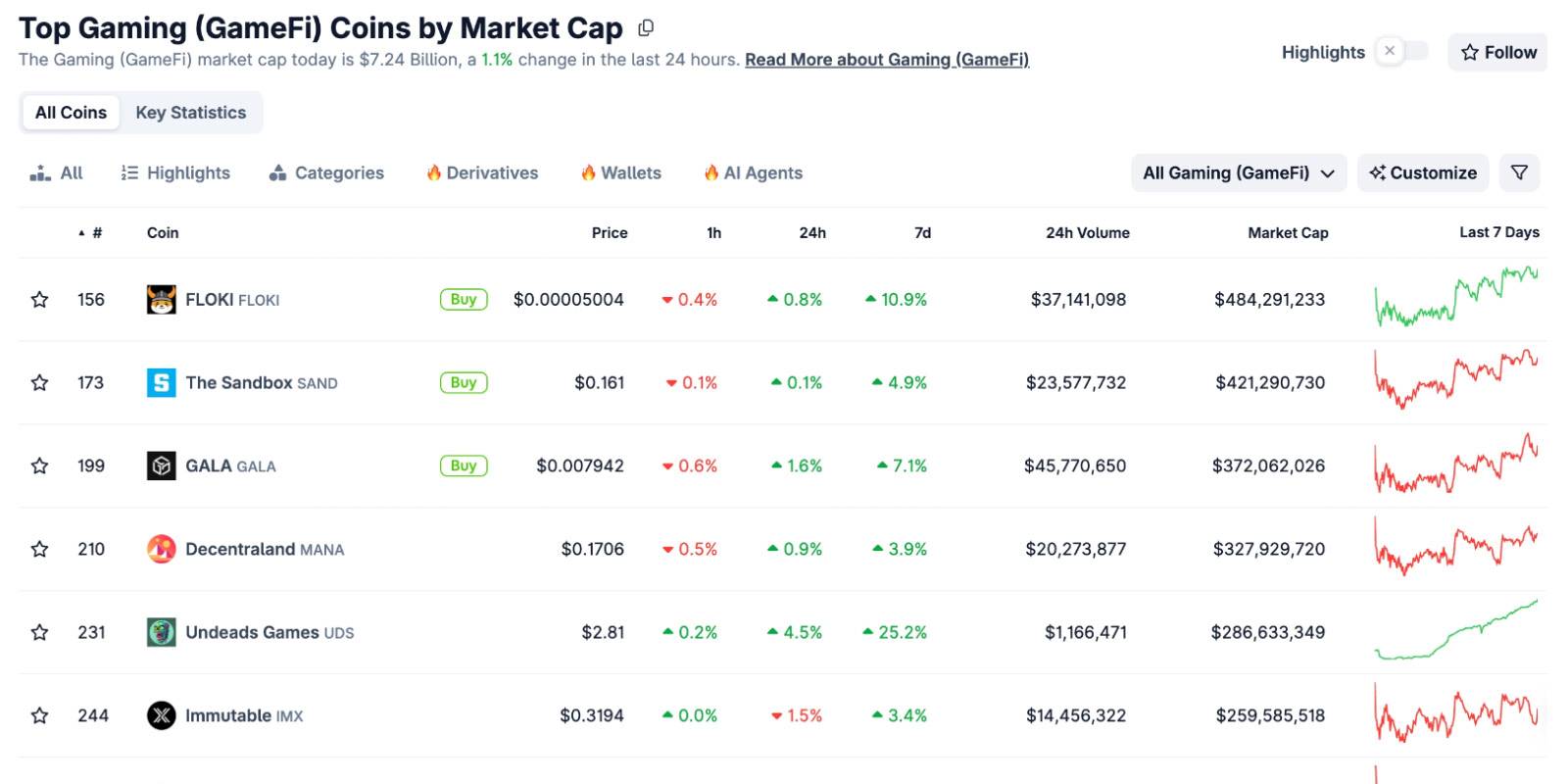
When all GameFi tokens have dropped out of the TOP 100, can COC reignite the narrative with a Bitcoin economic model?
On November 27, $COC mining will be launched. The opportunity to mine the first block won't wait for anyone.
Ethereum's Next Decade: From "Verifiable Computer" to "Internet Property Rights"
Fede, the founder of LambdaClass, provides an in-depth explanation of anti-fragility, the 1 Gigagas scaling goal, and the vision for Lean Ethereum.
Trending news
MoreCrypto prices
More






