
XRP as a Strategic Treasury Asset in Japan's Evolving Blockchain Economy
- Japan’s institutions adopt XRP as a strategic reserve asset, leveraging Ripple’s partnerships with SBI and MUFG to diversify portfolios via ETFs and RLUSD stablecoins. - Ripple’s ODL service boosts XRP’s cross-border utility, reducing transaction costs by 70% in high-demand corridors like Japan-Philippines and Japan-Africa. - Regulatory clarity from Japan’s FSA and the 2025 SEC ruling position XRP as a bridge between traditional finance and blockchain, enabling tokenized assets and real estate fractional
Japan’s blockchain economy is undergoing a profound transformation, with XRP emerging as a cornerstone asset for institutional players seeking to navigate the intersection of traditional finance and decentralized innovation. The country’s regulatory agility, combined with Ripple’s strategic partnerships, has positioned XRP not merely as a cross-border payment tool but as a versatile treasury asset capable of reshaping capital markets, remittance systems, and tokenized asset ecosystems.
Institutional Adoption: From Payments to Capital Markets
Ripple’s collaboration with Japanese financial giants like SBI Holdings and Mitsubishi UFJ Financial Group (MUFG) has catalyzed XRP’s integration into institutional portfolios. SBI Holdings, for instance, is pioneering the first Bitcoin-XRP dual-asset ETF on the Tokyo Stock Exchange, alongside a gold-crypto hybrid trust, signaling a shift toward diversified crypto exposure [1]. This move reflects a broader trend: Japanese institutions are treating XRP as a strategic reserve asset, leveraging its liquidity and low volatility compared to other cryptocurrencies.
The introduction of RLUSD, a U.S. dollar-backed stablecoin co-developed by Ripple and SBI, further underscores XRP’s utility in institutional trading and remittances [1]. By pairing XRP with stablecoins, institutions can hedge against volatility while maintaining access to the speed and cost-efficiency of the XRP Ledger (XRPL). Meanwhile, Gumi Inc., a gaming conglomerate linked to SBI, has committed to acquiring $17 million in XRP over several months, complementing its Bitcoin staking strategy [3]. This dual-asset approach highlights XRP’s role as a long-term investment vehicle, particularly in markets where regulatory clarity is improving.
Cross-Border Utility: Redefining Global Remittances
XRP’s cross-border utility has been amplified by Ripple’s On-Demand Liquidity (ODL) service, which reported transaction growth exceeding 1,700% in high-cost corridors such as Japan-Philippines and Japan-Africa [2]. By reducing pre-funding costs for cross-border transactions by up to 70%, ODL has made XRP an attractive alternative to SWIFT, particularly for institutions seeking to minimize capital lockup [1]. This efficiency is critical in Japan’s export-driven economy, where rapid, low-cost settlements can enhance cash flow management for multinational corporations.
The 2025 SEC ruling, which clarified that XRP transactions on public exchanges are not securities, has further bolstered institutional confidence [1]. This regulatory clarity, coupled with Japan’s Financial Services Agency (FSA) reforms—reclassifying crypto assets under the Financial Instruments and Exchange Act—has created a legal framework conducive to XRP-based financial products [1]. Institutions are now exploring XRP’s potential in tokenized assets, including real estate, where the XRP Ledger’s fractionalization capabilities could unlock liquidity in previously illiquid markets [1].
Regulatory Tailwinds and Market Potential
Japan’s FSA has been instrumental in fostering XRP’s adoption, with initiatives like the tokenization of real estate using the XRP Ledger. By enabling fractional ownership and automated settlements, these projects align with Japan’s broader goal of digitizing its financial infrastructure [1]. The FSA’s proactive stance—balancing innovation with consumer protection—has attracted global investors, positioning Japan as a testbed for blockchain-driven financial services.
For investors, the confluence of regulatory support, institutional demand, and XRP’s technical advantages (e.g., sub-second finality, low fees) presents a compelling case. However, risks remain, including macroeconomic volatility and potential regulatory shifts in other jurisdictions. That said, Japan’s leadership in XRP adoption suggests a long-term trend: as cross-border trade and capital flows accelerate, XRP’s role as a strategic treasury asset will likely expand.
Conclusion
XRP’s strategic value in Japan’s blockchain economy lies in its ability to bridge traditional and digital finance. As institutions increasingly adopt XRP for treasury management, cross-border settlements, and tokenized assets, the asset’s utility and demand are poised to outpace speculative narratives. For investors, this represents an opportunity to align with a market where regulatory clarity, technological innovation, and institutional confidence are converging.
**Source:[1] XRP's Strategic Role in Japanese Fintech Expansion [2] Regulatory Clarity and Institutional Adoption Fuel a New Era [3] XRP Price Could See Boost As Japanese Gaming Giant ...
Disclaimer: The content of this article solely reflects the author's opinion and does not represent the platform in any capacity. This article is not intended to serve as a reference for making investment decisions.
You may also like
Stablecoin Legislation Booms Globally, Why Is China Taking the Opposite Approach? An Article to Understand the Real National Strategic Choices
Amid the global surge in stablecoin legislation, China has chosen to firmly curb stablecoins and other virtual currencies, while accelerating the development of the digital yuan to safeguard national security and monetary sovereignty. Summary generated by Mars AI. This summary is produced by the Mars AI model and its accuracy and completeness are still being iteratively improved.

Liquidity migration begins! Japan becomes the Fed's "reservoir," 120 billions in carry trade returns set to ignite the December crypto market
The Federal Reserve has stopped quantitative tightening and may cut interest rates, while the Bank of Japan plans to raise rates, changing the global liquidity landscape and impacting carry trades and asset pricing. Summary generated by Mars AI. This summary is produced by the Mars AI model, and the accuracy and completeness of its content are still under iterative improvement.

Weekly Hot Picks: Bank of Japan Sends Strongest Rate Hike Signal! Is the Copper Market Entering a Supercycle Rehearsal?
The leading candidate for Federal Reserve Chair is being questioned for potentially "accommodative rate cuts." Copper prices have reached a historic high, and a five-hour meeting between the United States and Russia ended without results. Expectations for a Japanese interest rate hike in December have surged, and Moore Threads' stock soared more than fivefold on its first day... What market moves did you miss this week?
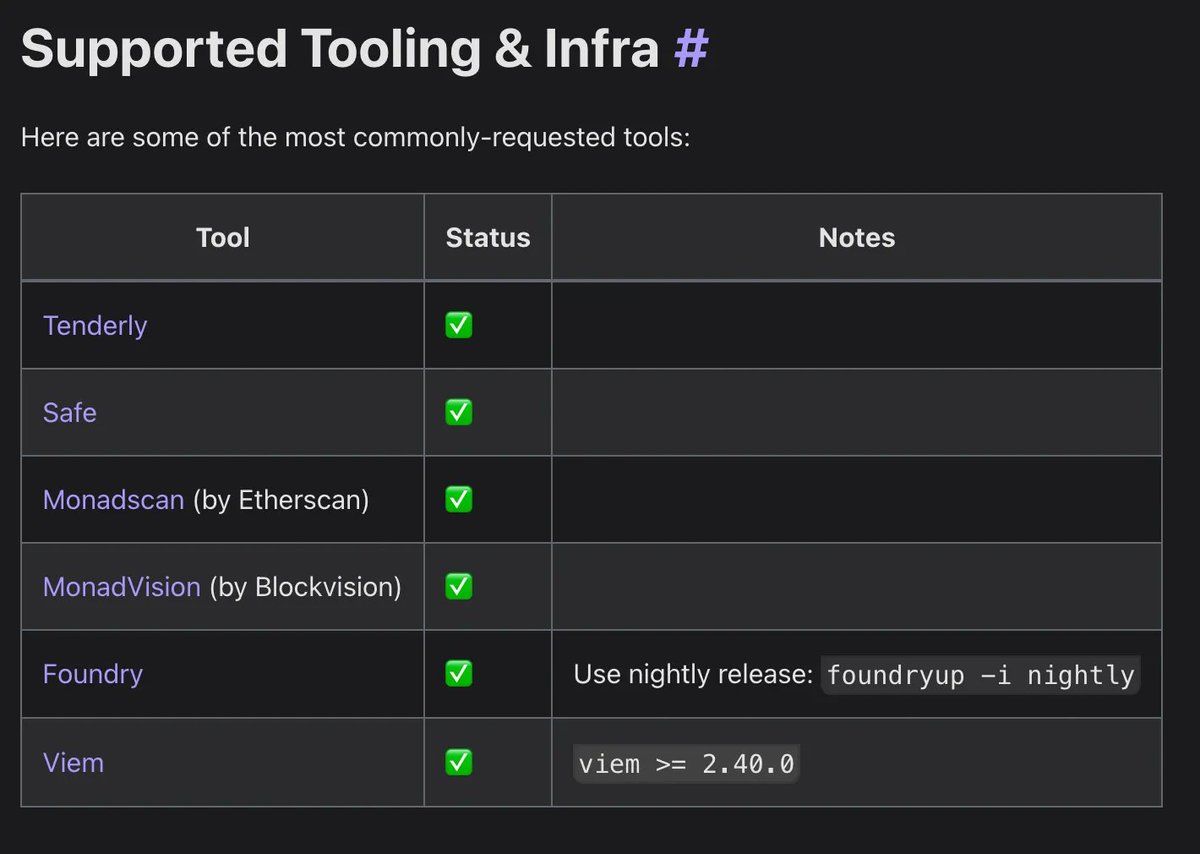
Monad Practical Guide: Welcome to a New Architecture and High-Performance Development Ecosystem
This article will introduce some resources to help you better understand Monad and start developing.
Trending news
MoreCrypto prices
More





