
MANTA -110.29% in 24 Hours Amid Sharp Volatility
- MANTA plummeted 110.29% in 24 hours on Aug 29, 2025, closing at $0.2102, marking a severe single-day decline. - The crash reflects extreme volatility driven by speculative trading, liquidity constraints, and broader crypto risk aversion after failed price recoveries. - Technical indicators show broken support levels, oversold RSI (<30), and cascading liquidations, with long-term holders still optimistic about underlying use cases. - A 7323.38% 1-year decline highlights structural issues in adoption and g
MANTA plummeted by 110.29% in 24 hours as of AUG 29 2025, closing at $0.2102, marking one of the most severe single-day declines in recent record. The asset’s performance reflects extreme short-term instability, exacerbated by ongoing speculative trading and liquidity constraints. Despite a 346.15% surge over the past month, the 7-day decline of 515.65% highlights the highly volatile nature of the asset class.
The drop follows a broader trend of heightened risk aversion in crypto markets, with investors retreating from high-beta assets following a series of failed price recoveries. Analysts project that further downward pressure could persist unless a sustained buyer’s interest emerges. While long-term holders remain optimistic about the underlying use cases of MANTA , the immediate technical outlook remains bearish.
Technical analysis points to a breakdown below key support levels, with the 20-day and 50-day exponential moving averages now acting as resistance rather than support. This has triggered sell-side momentum, particularly in overleveraged positions, leading to cascading liquidations. The RSI has fallen below 30, signaling potential oversold conditions, though without a corresponding bounce in price, the indicator remains in bearish territory.
MANTA’s 1-year decline of 7323.38% underscores the long-term erosion in value, pointing to structural concerns about adoption, utility, and governance. Market participants are closely monitoring on-chain metrics for signs of stabilization, including reduced short-term selling pressure and increased inflows into non-custodial wallets. However, the absence of a clear catalyst for recovery has left the asset vulnerable to further downside risk.
Backtest Hypothesis
To better understand potential strategies in navigating MANTA’s volatility, a backtest framework could be constructed based on the asset’s behavior. A backtesting strategy would need to define the following parameters: the universe of assets (single ticker or a broader index), the entry rule (e.g., a 10% decline on a close-to-close basis), the holding period (fixed duration or based on profit/loss thresholds), and position sizing. Once these details are established, the effectiveness of a given strategy in capturing or avoiding losses can be evaluated using historical data from 2022-01-01 to the present. This would help in identifying whether a systematic approach could have mitigated exposure during sharp drawdowns like the one observed on AUG 29.
Disclaimer: The content of this article solely reflects the author's opinion and does not represent the platform in any capacity. This article is not intended to serve as a reference for making investment decisions.
You may also like
ETFs are being launched in clusters, but coin prices are falling. Can ETF approval still be considered good news?
On one hand, Vanguard has opened Bitcoin ETF trading, while on the other hand, CoinShares has withdrawn its applications for XRP, Solana Staking, and Litecoin ETFs, highlighting a significant divergence in institutional attitudes toward ETFs for different cryptocurrencies.

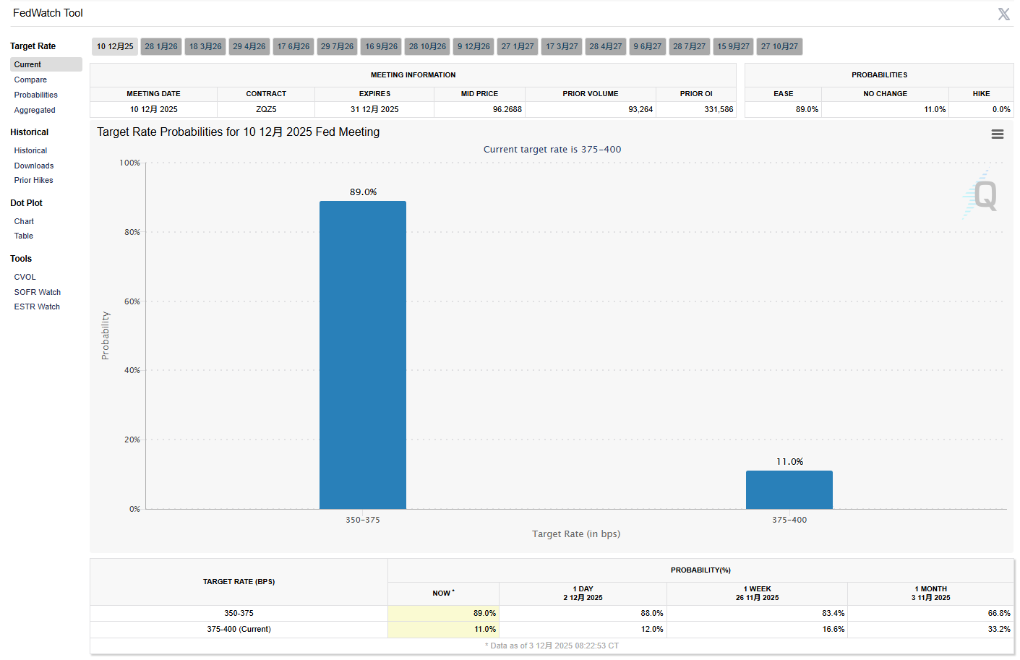
ADP employment data "unexpectedly weak", is a Federal Reserve rate cut imminent?
Glassnode Report: Current Structure Strikingly Similar to Pre-Crash 2022, Beware of a Key Range!

Coinglass report interprets Bitcoin's "life-or-death line": 96K becomes the battleground between bulls and bears—Is the ETF capital withdrawal an opportunity or a trap?
Bitcoin's price remains stable above the real market mean, but the market structure is similar to Q1 2022, with 25% of supply currently at a loss. The key support range is between $96.1K and $106K; breaking below this range will increase downside risk. ETF capital flows are negative, demand in both spot and derivatives markets is weakening, and volatility in the options market is underestimated. Summary generated by Mars AI. The accuracy and completeness of this summary are still being iteratively updated by the Mars AI model.

Trending news
MoreCrypto prices
More






