
Peter Schiff criticizes Bitcoin treasury stocks: “worse than BTC itself”

- Bitcoin Treasury Stocks Criticized by Peter Schiff
- Bitcoin companies grow, but generate controversy in the market
- Schiff advocates investing in real businesses, not just BTC
Peter Schiff has once again taken aim at Bitcoin — and this time, he’s targeting the so-called “treasury stocks” linked to the cryptocurrency. For the economist, a well-known gold defender and frequent critic of BTC, buying shares in companies that hold Bitcoin as their main asset is even more “ridiculous” than acquiring the cryptocurrency directly.
“If you want to buy Bitcoin, then buy Bitcoin,” Schiff wrote on the X platform. “If you want to invest in the stock market, buy a company with a real business.” The criticism is directed at publicly traded companies whose main strategy is to accumulate BTC in cash, acting as proxies for indirect exposure to the digital asset.
Pierre Rochard, CEO of The Bitcoin Bond Company and former vice president of Riot Platforms, has publicly disagreed with Schiff’s view. He believes that such structures create value by offering different risk and return profiles based on financial engineering. “Financial engineering with securitization creates real value,” he said.
The only thing more ridiculous than buying Bitcoin is buying shares of a Bitcoin "treasury" company, whose sole business purpose is to acquire Bitcoin. If you want to buy Bitcoin, then buy Bitcoin. If you want to invest in the stock market, buy a company with an actual business.
- Peter Schiff (@PeterSchiff) May 14, 2025
The model, however, continues to grow. Twenty One Capital recently launched with support from names such as Tether, SoftBank and Cantor Fitzgerald, with the aim of becoming one of the largest corporate holders of Bitcoin. Other initiatives, such as Nakamoto Holdings and Strive Asset Management, have also announced strategies focused on acquiring and managing BTC.
The idea behind these companies is to serve institutional investors and individuals with regulatory constraints, such as those with retirement accounts in the UK, where Bitcoin ETFs are less accessible. Proponents say this could democratize access to the asset.
But critics warn of significant risks. Stack Hodler, a pseudonymous analyst, said many of these companies could end up selling their assets once they realize that simply storing Bitcoin would be more efficient. “Companies that create economic value with products and services and then store their profits in Bitcoin are the ones that will bring lasting value to the network,” he said.
The investor also drew a parallel between these companies and low-utility tokens: “I’m mainly referring to the imitators that are emerging at a rapid pace. They are trying to profit from the success of MSTR, just as shitcoins profited from the success of BTC.”
Disclaimer: The content of this article solely reflects the author's opinion and does not represent the platform in any capacity. This article is not intended to serve as a reference for making investment decisions.
You may also like
COC the Game Changer: When Everything in GameFi Becomes "Verifiable", the Era of P2E 3.0 Begins
The article analyzes the development of the GameFi sector from Axie Infinity to Telegram games, pointing out that Play to Earn 1.0 failed due to the collapse of its economic model and trust issues, while Play for Airdrop was short-lived because it could not retain users. COC Game has introduced the VWA mechanism, which verifies key data on-chain in an attempt to address trust issues and build a sustainable economic model. Summary generated by Mars AI. This summary was generated by the Mars AI model, and its accuracy and completeness are still being iteratively updated.

BTC Volatility Weekly Review (November 17 - December 1)
Key metrics (from 4:00 PM HKT on November 17 to 4:00 PM HKT on December 1): BTC/USD: -9.6% (...

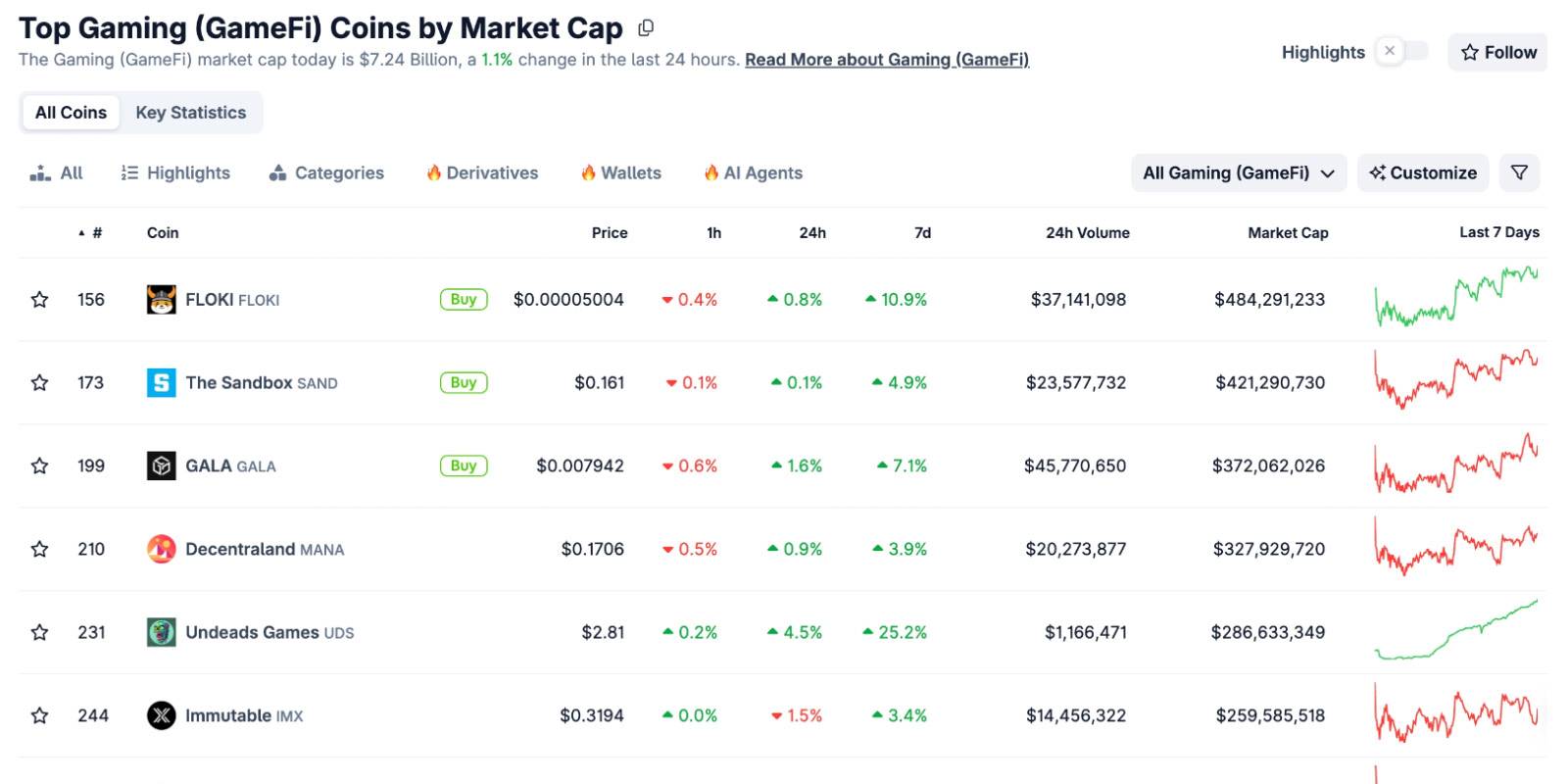
When all GameFi tokens have dropped out of the TOP 100, can COC reignite the narrative with a Bitcoin economic model?
On November 27, $COC mining will be launched. The opportunity to mine the first block won't wait for anyone.
Ethereum's Next Decade: From "Verifiable Computer" to "Internet Property Rights"
Fede, the founder of LambdaClass, provides an in-depth explanation of anti-fragility, the 1 Gigagas scaling goal, and the vision for Lean Ethereum.
Trending news
MoreCrypto prices
More






