
Bitcoin hits macroeconomic headwinds as halving approaches

A conspiracy of headwinds sees bitcoin struggling to keep its head above the $61,000 mark.The digital asset is beset by a strong dollar index, hawkish Fed rhetoric and geopolitical tensions.
Bitcoin BTC -1.95% 's price fall began after comments from U.S. Federal Reserve chair Jerome Powell that interest rates will likely remain higher for longer. On Tuesday, Powell commented in a Washington forum that the U.S. central bank probably will not reach its 2% inflation goal anytime soon. According to Reuters , he said: "Right now, given the strength of the labor market and progress on inflation so far, it's appropriate to allow restrictive policy further time to work and let the data and the evolving outlook guide us."
Dimming optimism surrounding an upcoming rate cut could also have impacted investor exuberance for spot bitcoin exchange-traded funds. According to The Block's Data Dashboard , spot bitcoin ETF volumes have declined from their early March peak.
Bitcoin struggling against a strong DXY
According to TradingView data , the U.S. Dollar Index, which measures the dollar's performance against major world currencies, has surged 4.38% since January to reach a six-month high of 106.372 on Wednesday — marking its strongest five-day rally since February 2023.
The rise in the DXY coincides with investors' growing expectations of sustained higher interest rates. This has historically deterred investment in risk assets — like bitcoin — as a stronger dollar typically prompts investors to seek higher returns on bonds and term deposits, thereby boosting demand for the dollar overall.
Furthermore, ongoing geopolitical tensions — notably the escalation of conflict in the Middle East — have fostered a sense of caution among investors.
Bitcoin headwinds
According to Stratos founding partner Rennick Palley, bitcoin has historically had a choppy period of price action before its block-reward halving. He sees the headwinds for bitcoin in the short term, with "equities markets in addition to crypto selling off due to fears of stubborn inflation and fewer rate reductions this year."
Although Palley noted that bitcoin tends to trade with risk assets in the short term, he said a hot inflationary environment would be good for the asset in the long term. "Higher inflation for longer is a good position for bitcoin due to its hard money principles relative to continued money printing from the Fed and other central banks around the world," he added.
The upcoming bitcoin halving event
Every four years, a mechanism coded into the Bitcoin blockchain cuts the block reward miners earn in half . This time, that means each new block of bitcoin that’s mined roughly every ten minutes will yield 3.125 BTC, down from the current 6.25 BTC block reward.
According to The Block's Bitcoin Halving Countdown Page , based on current estimates, the halving will occur on April 20, 2024 at 03:48 UK time, once the network reaches a block height of 840000.
Historically, many of bitcoin’s gains have come 12 to 18 months after a halving , when newly diminishing supply accompanied surging demand. At the time of 2020’s halving, for instance, one bitcoin cost less than $10,000. By the peak in 2022, prices had climbed to more than $67,000.
Disclaimer: The content of this article solely reflects the author's opinion and does not represent the platform in any capacity. This article is not intended to serve as a reference for making investment decisions.
You may also like
Stablecoin Legislation Booms Globally, Why Is China Taking the Opposite Approach? An Article to Understand the Real National Strategic Choices
Amid the global surge in stablecoin legislation, China has chosen to firmly curb stablecoins and other virtual currencies, while accelerating the development of the digital yuan to safeguard national security and monetary sovereignty. Summary generated by Mars AI. This summary is produced by the Mars AI model and its accuracy and completeness are still being iteratively improved.
Liquidity migration begins! Japan becomes the Fed's "reservoir," 120 billions in carry trade returns set to ignite the December crypto market
The Federal Reserve has stopped quantitative tightening and may cut interest rates, while the Bank of Japan plans to raise rates, changing the global liquidity landscape and impacting carry trades and asset pricing. Summary generated by Mars AI. This summary is produced by the Mars AI model, and the accuracy and completeness of its content are still under iterative improvement.
Weekly Hot Picks: Bank of Japan Sends Strongest Rate Hike Signal! Is the Copper Market Entering a Supercycle Rehearsal?
The leading candidate for Federal Reserve Chair is being questioned for potentially "accommodative rate cuts." Copper prices have reached a historic high, and a five-hour meeting between the United States and Russia ended without results. Expectations for a Japanese interest rate hike in December have surged, and Moore Threads' stock soared more than fivefold on its first day... What market moves did you miss this week?
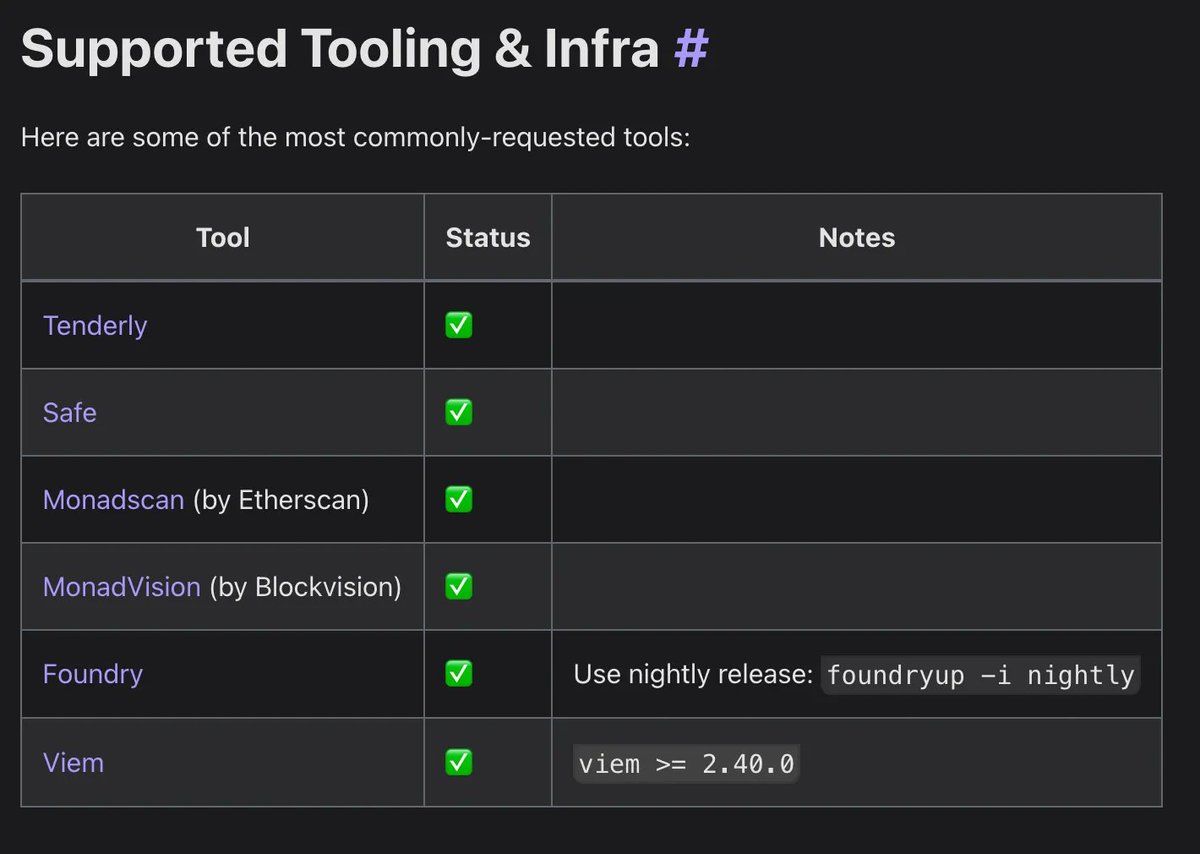
Monad Practical Guide: Welcome to a New Architecture and High-Performance Development Ecosystem
This article will introduce some resources to help you better understand Monad and start developing.
Trending news
MoreCrypto prices
More





