
Ethereum Layer 2s show a dramatic drop in transaction fees after Dencun

The Dencun upgrade on Ethereum reduced transaction costs on Layer 2s. Major Layer 2 chains implementing EIP-4844 experienced a dramatic drop in average transaction fees.
Major Layer 2 chains that implemented EIP-4844 have seen their average transaction fees drop dramatically.
For the uninitiated, the upgrade provided Layer 2s with a new transaction type called blobs. These blobs serve as a new point of location for the chains when posting information on Ethereum, instead of the traditional “calldata” method, offering a direct path to fee reduction.
Data from Layer 2s, such as in the Optimism ecosystem, including OP Mainnet, Base, and Zora, as well as others like zkSync and Starknet, all indicate a drop in transaction fees of several folds.
For example, the median gas fees on Base have fallen from around $0.5 on March 13 (right before Dencun went live) to about $0.0012, according to the latest on-chain data aggregated by Marcov on Dune . Meanwhile, the average fees on Base stand at $0.06. Similar numbers are applicable for OP Mainnet, which is also part of the Optimism ecosystem, just like Base.

Median transaction fees across Layer 2s | Source: Dune (via Marcov)
On Starknet, similar reductions in fees were observed. Argent, one of the largest wallet providers on the network, noted that fees for a swap on Starknet stood at $0.04 as opposed to over $6.8 a few days prior to Dencun.
Meanwhile, the most widely used Layer 2, Arbitrum One, has yet to integrate with Dencun improvements. It plans to launch its ArbOS upgrade later today, introducing blob support to Arbitrum rollup chains.
More than 3000 blobs have been uploaded to date. It is anticipated that Layer 2 chains utilizing blobs might experience higher fees in the future. As the number of rollups employing blobs increases, competition for blob space is expected to intensify, leading to higher gas prices.
Disclaimer: The content of this article solely reflects the author's opinion and does not represent the platform in any capacity. This article is not intended to serve as a reference for making investment decisions.
You may also like
COC the Game Changer: When Everything in GameFi Becomes "Verifiable", the Era of P2E 3.0 Begins
The article analyzes the development of the GameFi sector from Axie Infinity to Telegram games, pointing out that Play to Earn 1.0 failed due to the collapse of its economic model and trust issues, while Play for Airdrop was short-lived because it could not retain users. COC Game has introduced the VWA mechanism, which verifies key data on-chain in an attempt to address trust issues and build a sustainable economic model. Summary generated by Mars AI. This summary was generated by the Mars AI model, and its accuracy and completeness are still being iteratively updated.

BTC Volatility Weekly Review (November 17 - December 1)
Key metrics (from 4:00 PM HKT on November 17 to 4:00 PM HKT on December 1): BTC/USD: -9.6% (...

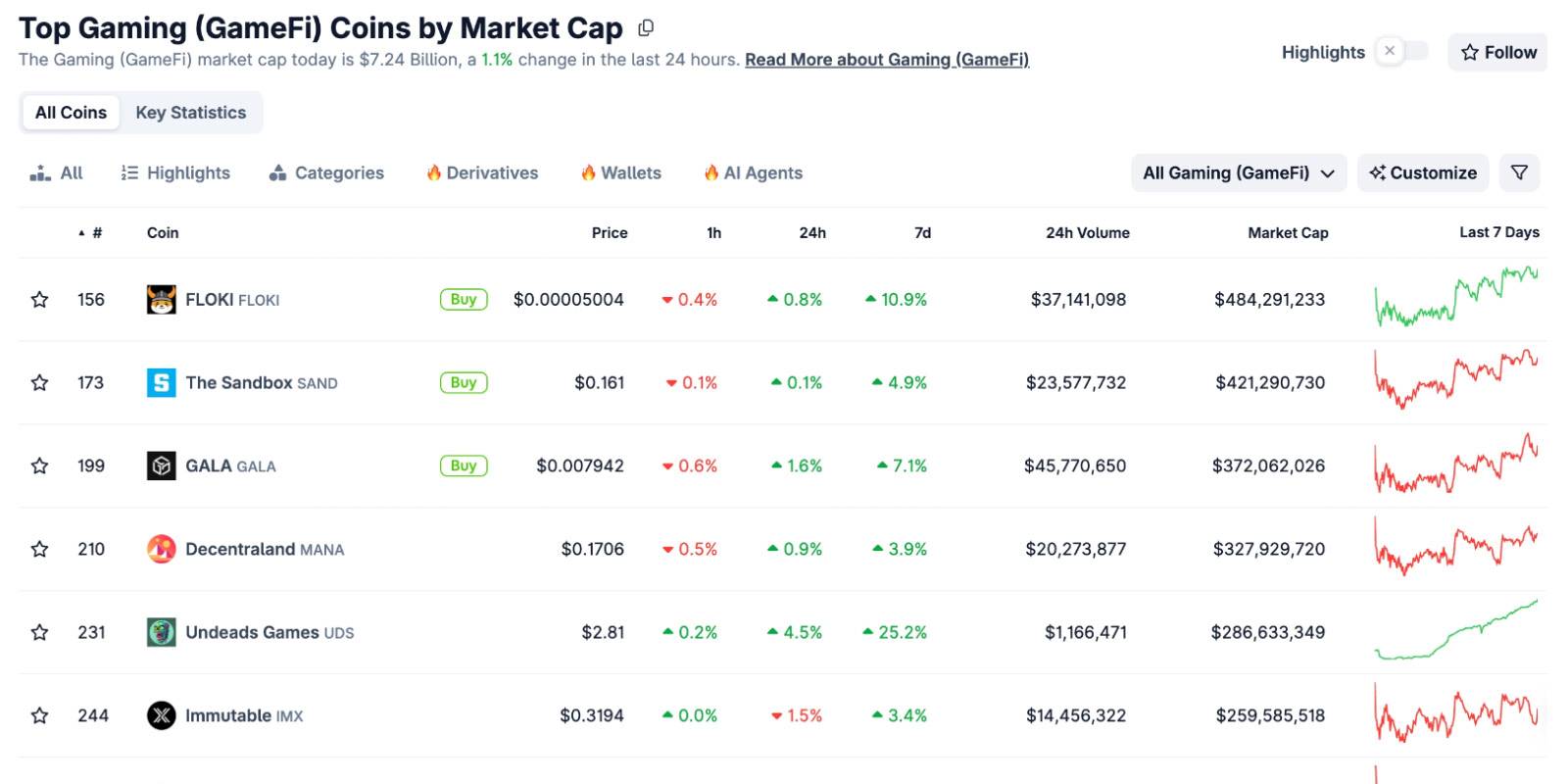
When all GameFi tokens have dropped out of the TOP 100, can COC reignite the narrative with a Bitcoin economic model?
On November 27, $COC mining will be launched. The opportunity to mine the first block won't wait for anyone.
Ethereum's Next Decade: From "Verifiable Computer" to "Internet Property Rights"
Fede, the founder of LambdaClass, provides an in-depth explanation of anti-fragility, the 1 Gigagas scaling goal, and the vision for Lean Ethereum.
Trending news
MoreCrypto prices
More






